


By Kam Schroeder, Physiotherapist
Most women know that menopause can bring symptoms such as hot flushes and changes in sleep or mood. But one important change is happening quietly in the background: our bone density.
Bone is living tissue. Throughout our lives, old bone is constantly being broken down and replaced with new bone. Oestrogen plays an important role in helping maintain this balance.
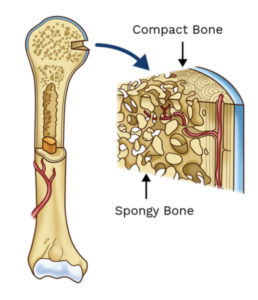 During perimenopause and the early post-menopausal years, falling oestrogen levels can lead to an increase in bone breakdown. As a result, bone loss can accelerate during this stage of life.
It’s not just the amount of bone that can change. The internal structure of bone can also become weaker. The spongy bone inside areas such as the spine can become thinner and less connected, while the harder outer layer of bone can become more porous. Together, these changes can increase the risk of fractures, particularly at the spine, hip and wrist.
The important thing to remember is that bone health is not something we should only think about once osteoporosis develops.
Maintaining strength, undertaking appropriate resistance and impact exercise, addressing other risk factors and seeking medical advice when appropriate can all form part of a proactive approach to bone health.
Menopause is a major transition for the body, but it can also be an opportunity to start thinking differently about how we exercise and invest in our long-term health.
Your bones are worth training for !!
What to do next?
If you’re unsure where to start with strength or impact exercise, speak to your physiotherapist about what may be appropriate for you.
Looking after your bones can start before osteoporosis becomes a concern. StrongHER is designed to help women learn how to progressively strengthen and load their bodies through resistance, impact and balance exercise—all in a supportive, physiotherapist-led environment.
Book in online or phone reception on 03 91314977.